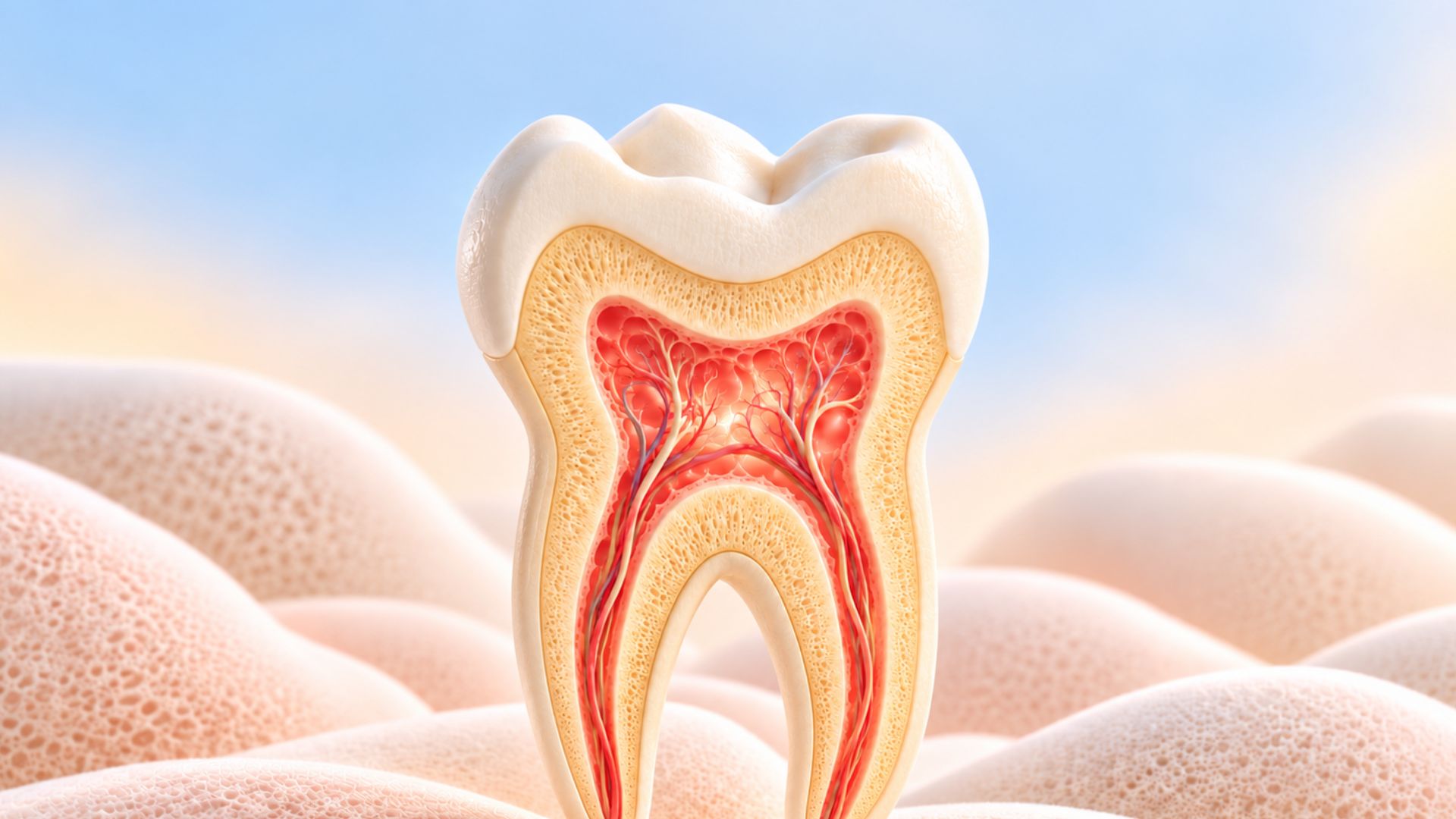
Periodontal disease is a chronic inflammatory disease driven by bacterial infection within the gums and supporting structures of the teeth. Research now shows that this inflammation does not remain isolated to the mouth.
When periodontal tissues become inflamed or bleed, oral bacteria, bacterial toxins and inflammatory molecules enter the bloodstream and circulate throughout the body. This triggers sustained systemic inflammation and immune activation, both of which are now recognised as contributors to neurological and vascular disease.
Research has identified periodontal pathogens, including Porphyromonas gingivalis, in the brain tissue of patients with Alzheimer’s disease. Scientists have also identified bacterial enzymes known as gingipains in neurological tissue, linking chronic periodontal infection with neurodegenerative processes associated with cognitive decline.
Inflammatory mediators elevated in periodontal disease—(including C-reactive protein (CRP), interleukin-6 (IL-6), and tumour necrosis factor-alpha (TNF-)—are directly involved in neuroinflammation, vascular injury and blood-brain barrier disruption.
Growing evidence across neurology, immunology and periodontal research continues to show that chronic oral inflammation influences brain health, cognitive ageing and cerebrovascular disease.
1. CHRONIC GUM INFECTION (PERIODONTITIS)
Harmful bacteria build up in the gums, causing infection, inflammation and tissue damage.
2. SUSTAINED SYSTEMIC INFLAMMATION
Chronic oral infection triggers a prolonged inflammatory response that affects the entire body.
3. ORAL BACTERIA & TOXINS ENTER
Bacteria, toxins and inflammatory molecules from the gums enter the bloodstream.
4. BLOOD-BRAIN BARRIER DISRUPTION
Harmful agents cross or disrupt the blood-brain barrier, leading to inflammation in the brain.
5. NEURONAL DAMAGE & VASCULAR INJURY
Chronic inflammation causes damage to neurons and blood vessels and activates harmful immune responses.
6. INCREASED RISK OF COGNITIVE DECLINE
Long-term damage increases the risk of memory loss, cognitive decline, Alzheimer’s disease and stroke.
The brain is highly sensitive to chronic inflammation.
Research now shows that periodontal disease contributes to systemic inflammatory activity capable of affecting blood vessels, immune signalling and the blood-brain barrier—all of which play important roles in neurological health and cognitive ageing.
Scientists have identified periodontal pathogens and inflammatory compounds associated with neurodegenerative disease processes, including those involved in Alzheimer’s disease and vascular cognitive impairment.
Reducing chronic oral inflammation lowers the body’s inflammatory burden and decreases ongoing exposure to harmful bacterial biofilm and inflammatory mediators.
Maintaining periodontal health is recognised as part of a wider preventive approach to long-term brain and vascular health.
Studies show those with severe periodontitis may have significantly higher risk of cognitive decline and dementia.