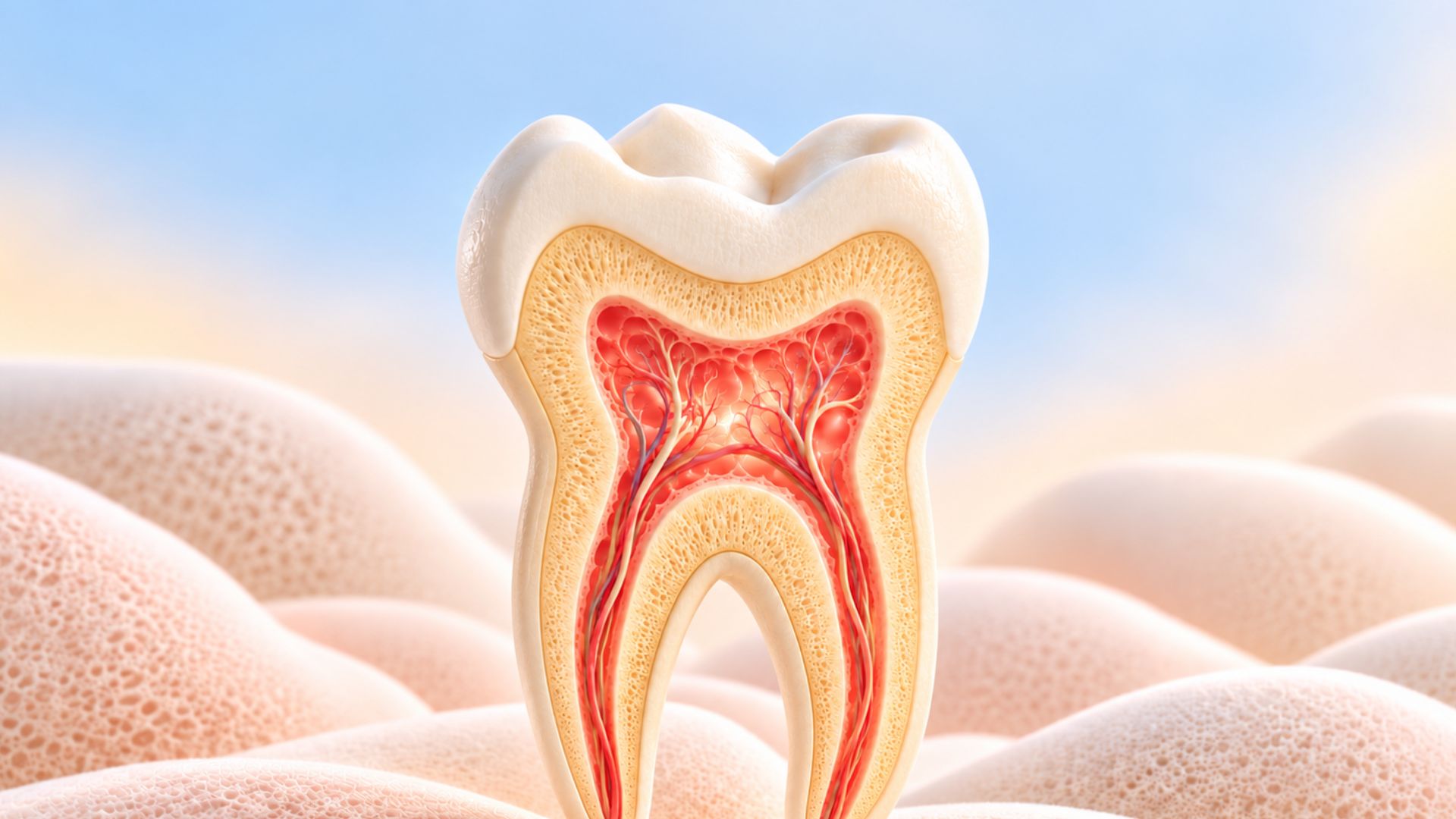
Diabetes and periodontal disease directly influence one another through chronic inflammation and immune dysfunction.
Periodontitis is a chronic bacterial infection that triggers a sustained inflammatory response in the body. In people with diabetes, elevated blood glucose levels impair immune function, reduce healing capacity, and increase susceptibility to gum infection and bone loss.
At the same time, periodontal inflammation worsens insulin resistance and contributes to poorer blood sugar control. Inflammatory mediators released during gum infection—including interleukin-6 (IL-6) and tumour necrosis factor-alpha (TNF-)—interfere with insulin signalling pathways and glucose metabolism.
This relationship is now recognised as bidirectional. Diabetes increases the severity and progression of periodontal disease, while untreated periodontal disease increases systemic inflammatory burden and worsens glycaemic control.
Research consistently shows that people with diabetes are at significantly greater risk of severe periodontal disease, tooth loss, delayed healing, and oral infection.
The International Diabetes Federation and European Federation of Periodontology recognise periodontal health as an important component of diabetes management.
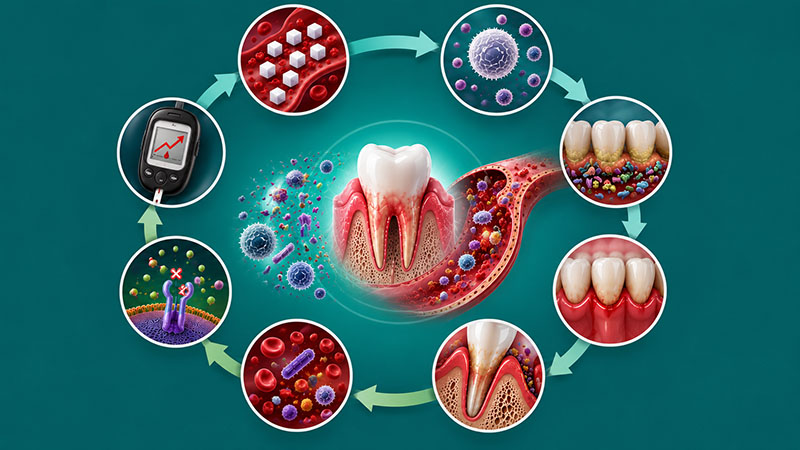
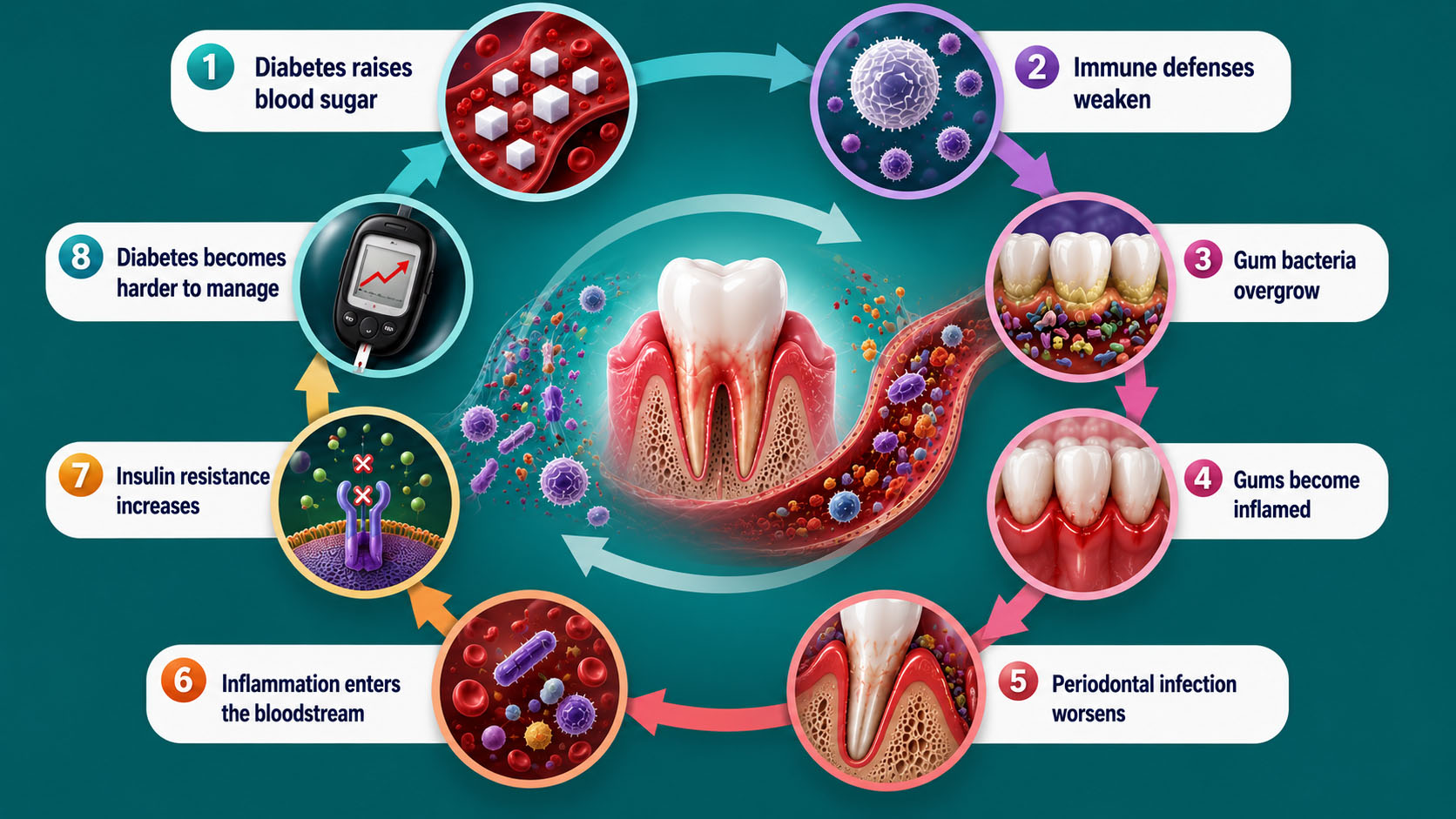
Inflammation in the gums directly affects metabolic health.
Gum infection: Bacteria trigger chronic inflammation in the gums.
Inflammation increases: Inflammatory molecules enter circulation and increase systemic inflammatory burden.
Insulin resistance worsens: Inflammation disrupts insulin signalling and glucose regulation.
Blood sugar increases: Elevated glucose levels impair healing and immune response.
Bacterial growth increases: Higher glucose levels create an environment that supports harmful bacteria.
Periodontal disease progresses: Ongoing inflammation accelerates gum and bone destruction.
Clinical research consistently shows that periodontal therapy improves glycaemic control in people with diabetes. Systematic reviews and meta-analyses show reductions in HbA1c following treatment, with some improvements comparable to adding a second diabetes medication.
Reducing periodontal inflammation lowers systemic inflammatory burden and supports healthier insulin signalling and glucose regulation.
Periodontal treatment also reduces harmful bacterial biofilm, improves tissue healing and helps slow progression of gum and bone destruction.
Brushing twice daily, flossing, and regular professional care help control bacterial biofilm and prevent ongoing inflammation.
Lifestyle factors such as smoking, poor diet, stress, and uncontrolled blood glucose can further increase risk and should be managed alongside oral health.